
Tools for Hope and Healing
ACCESS
Mental Illness Is More Common Than Many Realize
Mental illness can affect anyone—across every age, race, gender, faith, income level, and background—and often touches people’s lives in ways that are unseen or misunderstood.
Mental health challenges can show up as anxiety, depression, trauma, substance use, or thoughts of self-harm, and they often coexist with everyday responsibilities like work, parenting, relationships, and caregiving. Many people suffer in silence due to stigma, fear, or lack of access to support.
Understanding the scope of mental health challenges helps reduce stigma, increase compassion, and strengthen our collective response. When we are informed, we are better equipped to recognize warning signs, offer meaningful support, and connect others to help.
Below are key national statistics that help illustrate why mental health awareness, education, and suicide prevention matter.

Youth & Young People
Among U.S. high school students in 2023
Source: CDC, Youth Risk Behavior Survey, 2023
Adults
Among U.S. adults in 2024
Source: SAMHSA, NSDUH, 2024
Older Adults
Among U.S. older adults
Sources: SAMHSA, NSDUH, 2024; CDC/NCHS, 2023
Why These Numbers Matter
Mental health challenges are common, not rare. Risk and impact vary by age and life stage, making education, early intervention, research, advocacy, and community support essential. At STOPS, these realities strengthen our commitment to prevention, compassion, and connection.
Mental Illness Is Treatable
Mental health conditions are real, common, and treatable. Support, care, and recovery are possible—and help is available.
MENTAL HEALTH & SUPPORT RESOURCES
Explore the resources below for individuals, families, caregivers, and communities seeking information, treatment, and support related to mental health and substance use.
STOPS shares these resources for informational and educational purposes only. We do not provide medical, mental health, or crisis treatment, and we do not control or guarantee services provided by third-party organizations. Use of these resources is at your own discretion and is not a substitute for care from a qualified professional.
If You or Someone You Know Is in Crisis
If you are in immediate danger, please call 911 or go to the nearest emergency room.
Find Crisis Support
Find Support & Community Resources
You are not alone. Help is available.
Find Professional Help & Treatment
Learn & Self-Screen
Resources by Community & Life Stage
Resources for Professionals, Workplaces & Community Leaders
Free Education, Tools & Support
STORIES & HOPE
Mental Illness Is a Conversation Worth Having
Stories help us understand one another.
Here, you’ll find reflections, insights, and shared experiences exploring mental health, caregiving, faith, advocacy, resilience, and healing. Some posts are educational; others are deeply personal. Each is shared with the hope of fostering understanding, compassion, and connection.
We invite you to read, reflect, and engage at your own pace. May these stories encourage thoughtful conversation, reduce stigma, and remind you that you are not alone.
BLOG DISCLAIMER Awareness and Support, Not Treatment
Content shared on the STOPS Blog is intended for informational and educational purposes only. The views and opinions expressed by individual authors and contributors are their own and do not necessarily reflect the official position of Sisters Taking On the Prevention of Suicide (STOPS).
Blog content is not a substitute for professional medical, mental health, or counseling advice, diagnosis, or treatment. If you are experiencing emotional distress or a mental health crisis, please seek support from a qualified professional or appropriate crisis service.
If you or someone you know is in immediate danger, call 911 or go to the nearest emergency room. For 24/7 crisis support in the U.S., call or text the 988 Suicide & Crisis Lifeline at 988.
Your safety and well-being always come first.
Knowledge is power—and compassion grows when we understand one another.
Thank you for taking time to learn, reflect, and care.
Makayla. Forever 23. Forever loved.
When the Noise Gets Too Loud
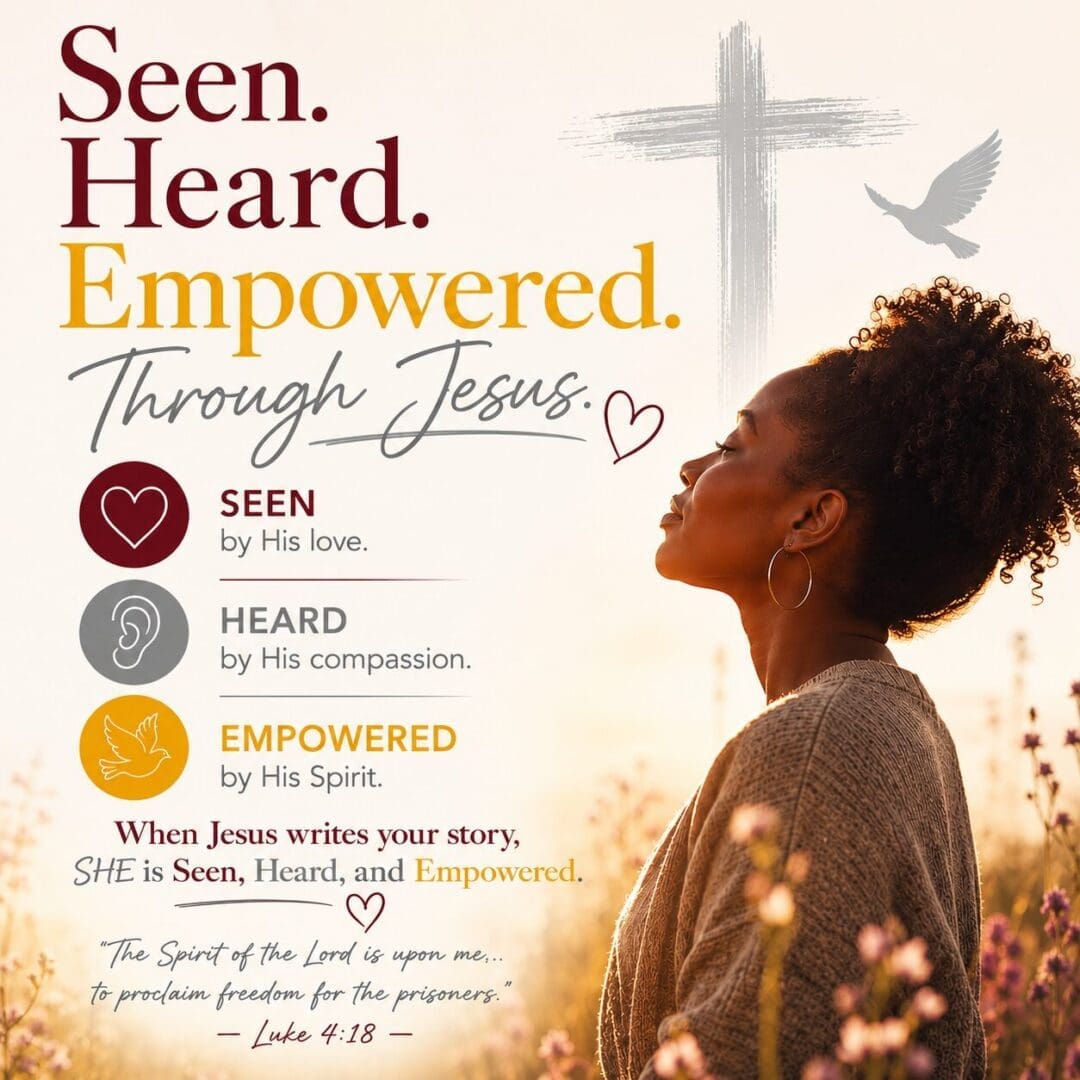
Seen. Heard. Empowered. Through Jesus.
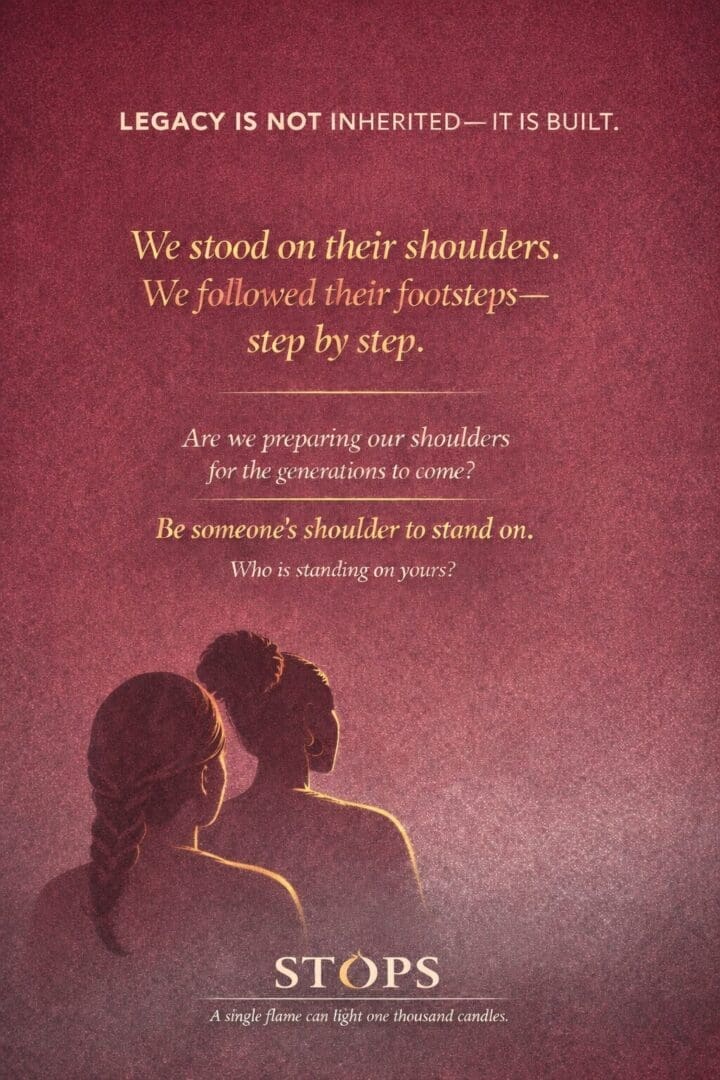
Shoulders
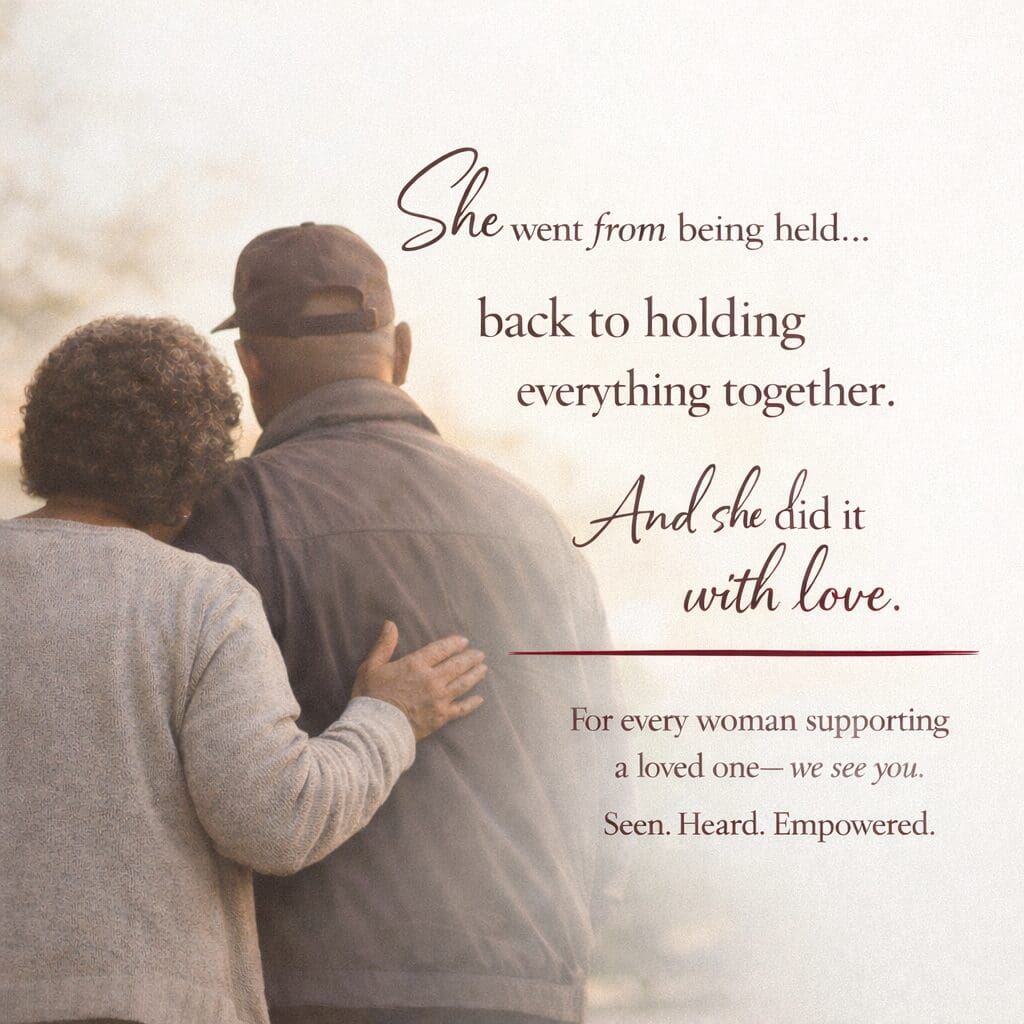
Seen in the Moment: When SHE Happens Naturally

What’s Your Theme Song?
